

Navigating Life Sciences Market Complexity
New pressures, new stakeholders, new competitors. The rising complexity of key account management poses unique challenges and compelling opportunities. AI for KAMs is real and a critical part of the solution going forward.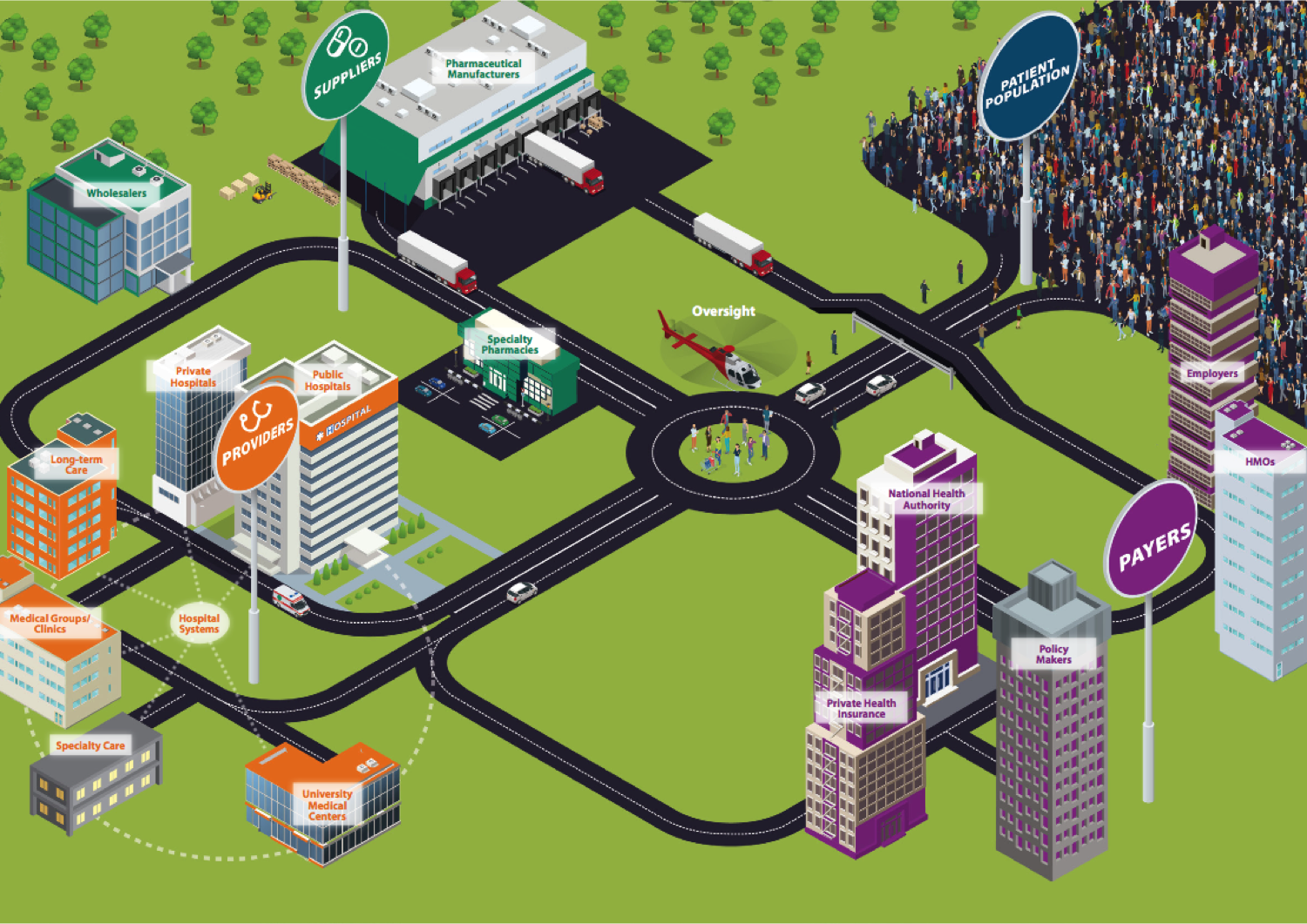
Embracing complexity as a component of sustainable competitive advantage.
Clarity implementation teams understand not just the strategic skills and capabilities that need to be developed in order to achieve stronger healthcare stakeholder alignment, but also the “ecosystem” of connected entities and environments within which those capabilities are put to the test and how AI tools can play a role.
The changing stakeholder landscape.
Organizational charts used to be so helpful. Now, account managers are prone to spending too much time with the wrong decision makers without the right up-front planning and research. In multiple industries, someone’s title can be misleading. M & A activity, shifting market positions, new competitors and other factors have led to the rising influence of customer stakeholders that field teams have never called on before. With the righ education, AI can help teams focus on the right stakeholders.


OmniChannel’s effect on marketplace complexity.
It was challenging enough for account teams to break through the noise in competitive markets with high degrees of commoditization. Ever since the global pandemic began to significantly reduce face-to-face customer interactions, OmniChannel initiatives have risen to fill the void but have also created distance in KAM-to-stakeholder relationships as customer decision makers can go much further into the sales cycle before engaging. This leaves KAM teams needing to find more innovative ways to understand at a deeper level, what’s going on in their stakeholder’s environments. The commercial teams able to do this in a virtual setting, powered by AI, will end up meaning more to their customers.